3.2 COMPUTER HARDWARE
- INPUT DEVICES
- OUTPUT DEVICES
- STORAGE DEVICES
- PROCESSING DEVICES
2. INPUT DEVICES
2.4. BIOMETRIC INPUT DEVICES
A biometric device translates a biological personal characteristic into a digital code that is stored or compared with a digital code stored in the computer. Common biometric devices include:
- Fingerprint scanner
- Face Recognition systems
- Hand geometry systems
- Signature verification systems
- Iris Recognition systems
1. FINGERPRINT SCANNER
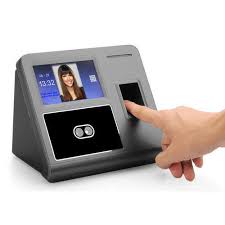 A fingerprint scanner captures the curves and indentations of a fingerprint. Some grocery and retail stores now use fingerprint readers as a means of payment, where the customer's fingerprint is linked to an account or credit card.
2. FACE RECOGNITION SYSTEMS
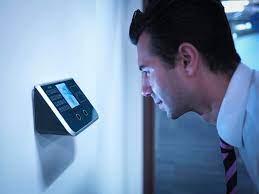 A face recognition system captures a live face image and compares it with a stored image to determine if the person is a legitimate user. Some buildings use face-recognition systems to secure access to rooms.
3. HAND GEOMETRY SYSTEM
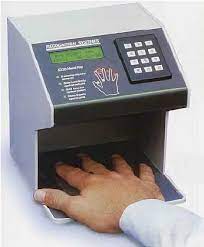 Biometric devices measure the shape and size of a person's hand using a hand geometry system. Some large companies use this system as time and attendance devices or as security devices. Day-care centers use this system to verify parents who pick up their children.
4. SIGNATURE VERIFICATION SYSTEMS
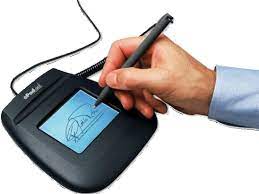 A signature verification system recognizes the shape of your handwritten signature, as well as measures the pressure exerted and the motion used to write the signature. The signature verification system uses a specialized pen and tablet.
5. IRIS RECOGNITION SYSTEM
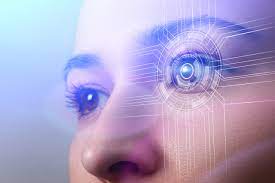 These are devices that use iris recognition technology to read patterns in the iris of the eye. These patterns are as unique as a fingerprint. Iris recognition systems are used by government security organizations, the military, and financial institutions that deal with highly sensitive data.